Flatbed Hire Telford
Call +44 20 8154 5320

Telford dropside and flatbed hire

Flatbed and dropside hire in Telford for home, trade and business loads

Open-bed dropside hire for householders, tradespeople and businesses around Telford. Compare compact vans with larger lorries and check your licence and payload before you book. Plan how you will load, secure and unload, so the job runs smoothly and you never end up stopping somewhere you should not.

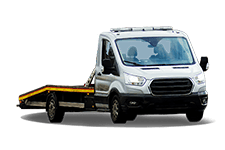
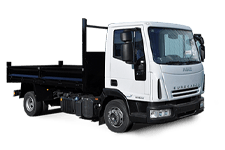
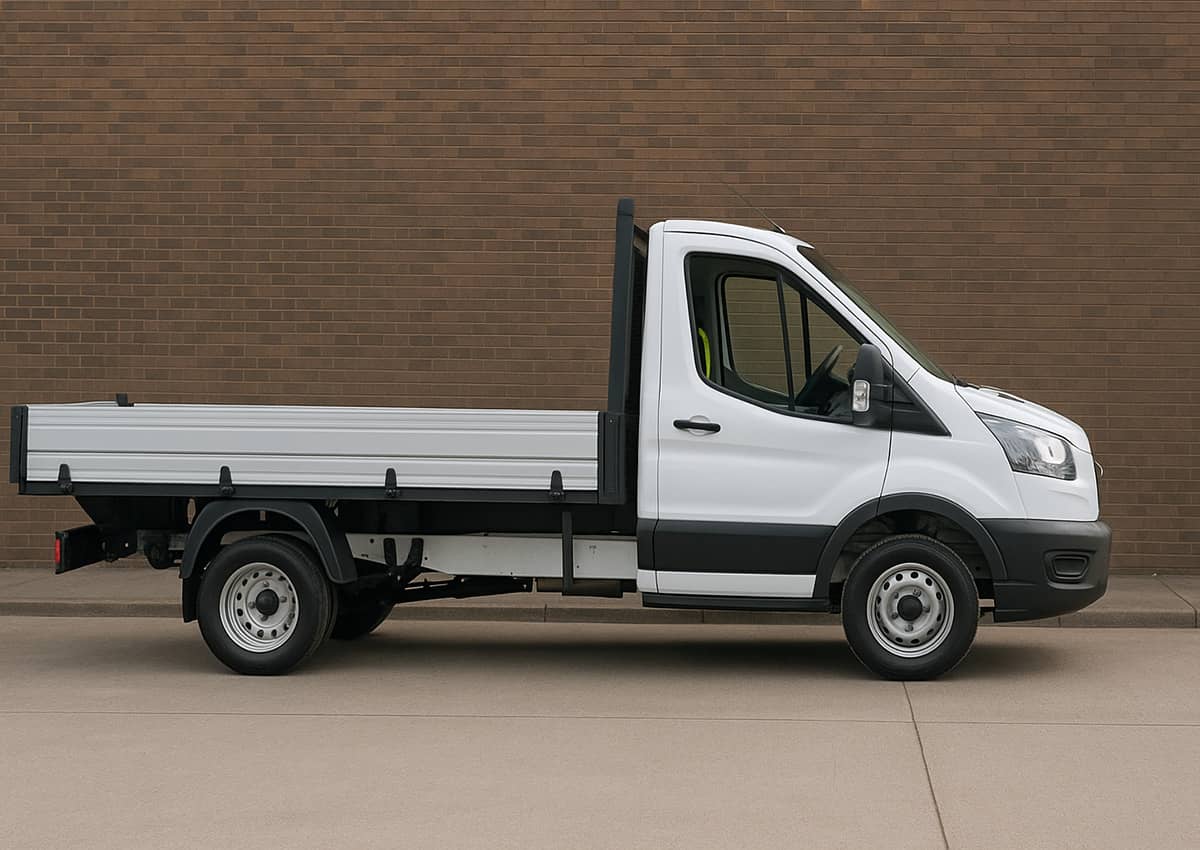
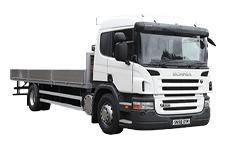
Representative flatbed truck; allocated vehicle must be confirmed

Speak to the flatbed booking team

+44 20 8154 5320

Choose from the load, not the badge

Flatbed and dropside options for Telford

These are representative vehicle categories. Weight class is not cargo payload: the allocated vehicle’s actual payload, bed dimensions, equipment, driver requirements and availability must all be confirmed before booking.

3 metre dropside van hire category

Flatbed and dropside category

3 metre dropside van

A compact open-bed category with folding sides for trade loads and sites where a larger lorry would be awkward.

  • timber, fencing and boards
  • bagged or palletised materials
  • tools and smaller machinery
Cargo payload
1100 kg (representative)
Bed length
3 m (representative)

The published 1,100 kg figure is representative only. Confirm the allocated vehicle's payload, bed width and load restraint.

Enquire about this vehicle
4 metre dropside van hire category

Flatbed and dropside category

4 metre dropside van

A longer open-bed category for loads that need more deck length or side access than the shorter dropside.

  • long timber and pipe
  • palletised site supplies
  • event and landscaping materials
Bed length
4 m (representative)
Bed width
2 m (representative)

Published dimensions are representative. Confirm actual payload, body dimensions and overhang rules before booking.

Enquire about this vehicle
Dropside with tail lift hire category

Flatbed and dropside category

Dropside with tail lift

An open-bed option to discuss when a suitable tail lift may help with palletised or wheeled goods.

  • palletised loads
  • wheeled equipment
  • destinations without a loading dock
Bed length
4 m (representative)
Bed width
2 m (representative)

Tail-lift capacity is not vehicle payload. Confirm both figures, platform size, pallet-truck use and unloading surface.

Enquire about this vehicle
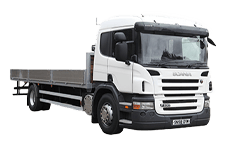
7.5 tonne dropside lorry hire category

Flatbed and dropside category

7.5 tonne dropside lorry

A larger dropside category for longer, heavier or multi-pallet loads when the route, driver and unloading plan suit a lorry.

  • scaffolding and pipe
  • multiple pallets
  • larger machinery and site supplies
Gross weight class
7.5 tonnes gross vehicle weight
Bed length
6 m (representative)
Bed width
2.35 m (representative)

C1 entitlement and possible commercial-use requirements apply. Confirm actual payload, bed dimensions and operating conditions.

Enquire about this vehicle
Phone-led matching
Discuss the load, route, access, driver and dates before a category is proposed.
Booking confirmation
Availability and final terms are confirmed during the booking process.
Address-level checks
Delivery and collection depend on the exact postcode, access and safe standing space.
Terms kept visible
Mileage, insurance, deposits and permitted use vary and must be checked for the hire.

Planning flatbed hire in Telford

A dropside earns its keep when the load is awkward: long lengths of timber, bagged aggregate, fencing panels, a pallet of blocks or a small mixer. Folding sides let you work from the kerb rather than climbing into a box body, and an open deck makes it easy to see how the weight is sitting. Those benefits only hold if the vehicle suits the load and if the unloading spot is planned as carefully as the route.

This page is for Telford customers planning a weekend garden project, a trade run between jobs or regular commercial movements across Telford and Wrekin. It covers how to pick a size and why gross weight and payload are different numbers. It also explains how to restrain and side-load safely, and what the council's own guidance means when you pull up outside a customer's house or a site gate.

Picking a dropside size for the job

Start with your longest item and your heaviest item rather than the total volume. A 3 metre dropside suits boards, fencing, bagged materials and smaller tools, and it is easier to position on a residential street or in a tight yard. A 4 metre body gives extra deck length for pipe, longer timber and mixed pallets, with room to spread weight across the bed instead of stacking it high.

A dropside with a tail lift is worth discussing if you are taking pallets or wheeled equipment somewhere without a forklift or dock. Remember that the lift has its own rating, separate from what the vehicle can carry. A 7.5 tonne dropside lorry handles multi-pallet and scaffold loads, as long as the driver holds the right entitlement and the delivery point can take a lorry. Published sizes are typical for each category, so ask for the actual bed size and payload of the vehicle you will be given.

Sources: Nationwide Hire UK: 3 metre dropside, Nationwide Hire UK: 4 metre dropside, Nationwide Hire UK: dropside with tail lift, Nationwide Hire UK: 7.5 tonne dropside

Licence entitlement and the weight on the plate

Most car licences include category B, which generally covers vehicles with a maximum authorised mass of up to 3.5 tonnes. Anything above that, up to 7.5 tonnes, normally needs C1. Check the categories printed on each driver's current licence rather than relying on memory, because older and newer licences differ. The hire company may also set its own age or experience conditions.

Maximum authorised mass, also called gross vehicle weight, is the most the loaded vehicle may weigh, and it is usually shown on a plate or sticker. It is not the amount you can carry. Your usable payload is what is left after the vehicle itself, fuel, driver and passengers are counted, so a 3.5 tonne dropside may carry considerably less than people expect.

Sources: GOV.UK: driving licence categories, GOV.UK: vehicle weights explained

Adding up tools and materials honestly

Trade loads get heavy without looking it. A pallet of blocks, a couple of bulk bags of sand and a generator can take a light van past its limit before the deck looks full. Write down the supplier's stated weight for each item, then add pallets and packaging, the tools and fuel cans you always carry, and the helper riding along to unload.

Each axle has its own limit, so a heavy item left right at the tailgate can overload the rear axle even when the gross figure looks fine. Place dense items over or just ahead of the rear axle. After a part drop, check what is left, because the balance shifts. If the figures are close, a public weighbridge gives you a real answer instead of a guess.

Sources: DVSA: HGV overloading basics, GOV.UK: vehicle weights explained

Side loading and restraining an open bed

Lowering one side lets a forklift or two people slide goods across instead of lifting them over the rail. Drop only the side you are working from, make sure the ground under the vehicle is firm and level, and never stand under a load being lifted by a machine. Close and latch the side before you move the vehicle, even if it is only a few metres.

Weight and friction will not hold a load in place when you brake or corner. Use rated straps or chains fixed to proper anchor points, never sheeting or rope hooks, and use friction matting or chocks for anything that could slide or roll. Long items that stick out beyond the body may need marking, and some overhangs need notice before travel, so measure the overhang and check the current rules for that exact load.

Sources: DVSA: load securing basics, DVSA: ways to secure a load, DVSA: securing loads on HGVs and goods vehicles, DVSA and DfT: overhanging loads on vehicles, HSE: safe loading and unloading

Stopping in Telford: plan for continuous unloading

Telford and Wrekin Council's parking guidance describes loading and unloading as a continuous activity involving heavy goods. In practice, the stop should be spent actually moving materials between the vehicle and the property. Leaving the dropside while you fetch a key, wait for the customer or start fitting what you have just carried in is a different activity. Treat it as a separate decision about where the vehicle can stand.

So get everything ready before you arrive. Phone ahead so someone is there to open the gate or sign for the goods, have a sack truck or pallet truck out and ready, and know where each item is going. Plan around the vehicle's full footprint with a side lowered and people working round it, not just the length of the cab and bed. If the job then takes hours, move the dropside somewhere it can lawfully and safely stay.

Sources: Telford Council: parking FAQs, HSE: safe loading and unloading

Loading bays, road markings and unmarked streets

The council enforces restrictions such as loading bays, but it says it does not deal with obstructions on roads without markings, which remain a police matter. For a dropside driver, this matters. A street with no yellow lines does not give you permission to load, and a vehicle blocking a driveway, a narrow road or a site entrance can still be causing an obstruction.

Before you unload, read the signs for that particular bay or stretch of road, because permitted times and vehicle types vary. Make sure a lowered side will not force pedestrians into the road or block a neighbour's access. If the only kerbside space would leave the lorry blocking traffic, agree an off-road spot with the recipient in advance, or switch to a smaller vehicle and do two trips.

Sources: Telford Council: enforcement scope

Delivery notes, job breaks and your booking confirmation

The council's FAQ mentions providing a delivery note if you need to challenge a ticket issued while you were unloading. Keep dated paperwork for every drop, along with a timed photo of the vehicle being unloaded. That is a record, not an exemption. It shows what you were doing, but it does not grant access and cannot guarantee a challenge will succeed. Never assume you get a free waiting period.

Plan breaks in the job the same way. Lunch, a trip to a supplier or a long gap between drops is not unloading, so park properly. When you book, get written confirmation of the vehicle category, plated weight, payload, bed size, any tail lift and restraint equipment, hire times and the terms that apply. Terms published by other firms are only a rough guide, because the company you actually book with sets the conditions.

Sources: Telford Council: parking FAQs, Third-party reference: Nationwide Hire UK terms and conditions
Full truck range

Other vehicles to ask about

If an open-bed flatbed is not the right body type, the booking team can discuss these adjacent commercial categories. Every card is an enquiry category rather than a promise that a particular model is locally stocked.

3.5 tonne Luton box with tail lift hire category

Other vehicle category

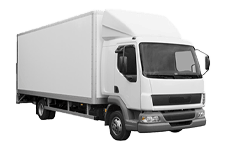
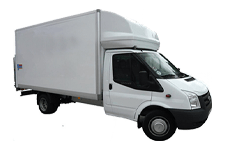
3.5 tonne Luton box with tail lift

Enclosed box-body category for bulky removals and deliveries where weather protection and assisted loading matter.

Confirm internal dimensions, payload and tail-lift capacity for the allocated vehicle.

Enquire about this vehicle
3.5 tonne tipper Transit hire category

Other vehicle category

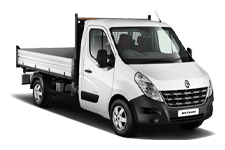
3.5 tonne tipper Transit

Compact tipping-body category for suitable loose materials and site work.

Waste carriage, destination acceptance, payload and tipping conditions must be confirmed.

Enquire about this vehicle
3.5 tonne recovery truck hire category

Other vehicle category

3.5 tonne recovery truck

Vehicle-transport category with a recovery bed and winch, subject to the carried vehicle's measured weight.

Confirm recovery use, bed rating, carried vehicle weight, licence and insurance before booking.

Enquire about this vehicle
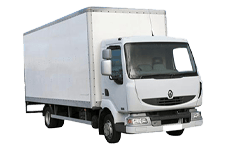
7.5 tonne box truck with tail lift hire category

Other vehicle category

7.5 tonne box truck with tail lift

Larger enclosed-body category for commercial deliveries and removals with assisted loading.

Confirm C1 entitlement, payload, internal body dimensions and tail-lift capacity.

Enquire about this vehicle
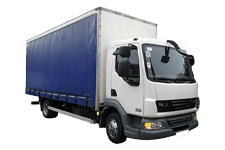
7.5 tonne curtainside truck hire category

Other vehicle category

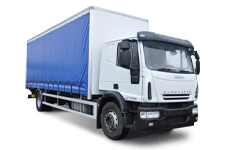
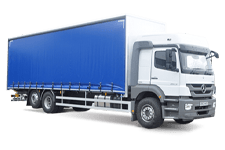
7.5 tonne curtainside truck

Curtainside body for side access to palletised goods while retaining weather protection.

Confirm C1 entitlement, payload, curtain/body dimensions and load restraint.

Enquire about this vehicle
7.5 tonne dropside truck hire category

Other vehicle category

7.5 tonne dropside truck

Open-sided lorry category for bulky building materials, timber and machinery.

Confirm C1 entitlement, actual payload, bed dimensions, route and unloading method.

Enquire about this vehicle
7.5 tonne tipper truck hire category

Other vehicle category

7.5 tonne tipper truck

Larger tipping-body category for appropriate aggregates, soil and site materials.

Confirm C1 entitlement, operator position, payload, waste rules and tipping-site conditions.

Enquire about this vehicle
7.5 tonne sleeper tail-lift truck hire category

Other vehicle category

7.5 tonne sleeper tail-lift truck

Longer-distance box or delivery category combining a sleeper cab and tail lift.

Confirm body type, sleeper provision, payload, tail-lift capacity and driver requirements.

Enquire about this vehicle
18 tonne box truck hire category

Other vehicle category

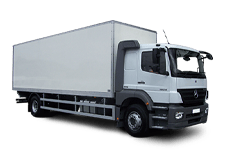
18 tonne box truck

Heavy enclosed-body category for larger commercial transport and distribution requirements.

Specialist heavy-vehicle licensing, operator, insurance and availability checks apply.

Enquire about this vehicle
18 tonne curtainside truck hire category

Other vehicle category

18 tonne curtainside truck

Heavy curtainside category for larger palletised or industrial loads needing side access.

Confirm payload, body dimensions, route restrictions and commercial operating requirements.

Enquire about this vehicle
26 tonne curtainside truck hire category

Other vehicle category

26 tonne curtainside truck

High-capacity rigid curtainside category for substantial commercial loads.

This is a specialist heavy-vehicle enquiry; confirm all operator, driver, route and payload conditions.

Enquire about this vehicle
44 tonne articulated truck hire category

Other vehicle category

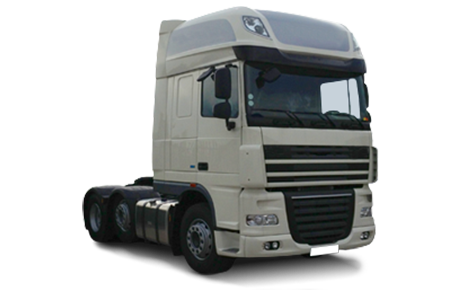
44 tonne articulated truck

Articulated heavy-goods category for specialist large-scale freight and long-distance commercial work.

Specialist operator, driver, site-access, route, insurance and load-planning requirements apply.

Enquire about this vehicle

Quote checklist

Have the whole job ready

A useful quote begins with the measured load and both ends of the journey.

Flatbed hire questions for Telford

Can I stop a dropside on a Telford street with no yellow lines while I unload?

No markings does not mean you have permission to stop there. The council says obstructions on unmarked roads are a matter for the police, so a vehicle blocking a road, driveway or gate can still cause problems. Check the road width, keep pedestrian routes clear and agree an off-road spot with the recipient if the kerb is tight.

Does carrying a delivery note let me unload anywhere in Telford?

No. A delivery note helps show what you were doing if a ticket is challenged later, but it does not give you access or exempt you from restrictions. Read the signs at the bay or road you plan to use, keep the stop limited to actually moving goods, and keep the paperwork with a timed photo.

I am fitting materials at a Telford property after unloading. Can the dropside stay outside?

Unloading is treated as a continuous activity. Once the materials are off and you move on to the installation, the vehicle is simply parked. Plan a lawful space for the rest of the job before you start, especially on residential streets where a lowered side or open bed takes up extra room.

Can I drive a 7.5 tonne dropside lorry on my car licence for a Telford building job?

Usually not. Category B generally covers vehicles up to 3.5 tonnes maximum authorised mass, and heavier vehicles up to 7.5 tonnes normally need C1. Check the categories shown on your current licence, and ask the hire company about any age or experience rules before you plan the job around a lorry.

Is a tail-lift dropside right for delivering pallets to a Telford home without a forklift?

It can be, if the lift's rating, platform size and the ground at the drop all suit the pallet. The vehicle's payload is a separate figure from the tail lift's capacity. Check that the unloading area is firm and level, and bring a pallet truck only if the surface allows it to move safely.

Local sources and supporting guidance

Check current rules and the destination signs before travelling. Category specifications are examples, not allocated-vehicle guarantees.